If you want a St. Simons Island home to do double duty as a retreat and an investment, the details matter more than the daydream. It is easy to fall in love with beach access, bike rides, and a porch made for coastal evenings, but a smart purchase also needs to hold up on pricing, rental rules, and long-term resale appeal. The good news is that with the right strategy, you can buy with both lifestyle and value in mind. Let’s dive in.
Why St. Simons draws investment buyers
St. Simons Island sits in that rare middle ground where personal use and income potential can overlap. The island offers public beaches, Pier Village, the lighthouse area, parks, and more than 30 miles of paved bike paths, which supports year-round appeal for owners and visitors alike.
That lifestyle pull matters because it broadens the audience for a home over time. If you buy a property that works well for your own use, it may also appeal to future buyers who want a second home, full-time residence, or rental-friendly retreat.
The market data also shows why buyers need to stay precise. Recent island-wide snapshots place values roughly in the mid-$600,000s to low-$700,000s, while beach-adjacent areas can rise much higher. St. Simons Beach has been listed around $1.1 million, and East Beach has tracked far above that, which means your exact location can shape both your entry price and your exit strategy.
Understand the St. Simons market first
A beach-area home should never be judged by island-wide averages alone. Recent data shows St. Simons Island overall with median sale and listing figures in the mid-$600,000s to low-$700,000s, but St. Simons Beach and East Beach have moved at much higher price points.
That spread matters for two reasons. First, beach-core homes often command a premium because of proximity to the shoreline and visitor-oriented amenities. Second, thinner inventory in those pockets can mean less direct competition, but also fewer comparable sales and a pricing process that requires patience.
St. Simons also appears to have a strong owner-occupied base, with 85.9% owner occupancy in the St. Simons CDP. For you as a buyer, that suggests the island is not driven only by short-term visitor traffic. It also supports the idea that a well-chosen home can remain attractive to future end users if your goals change later.
Choose location with purpose
When you are buying for both enjoyment and investment, location usually does more work than square footage. On St. Simons, homes near East Beach, Pier Village, Neptune Park, the lighthouse, and bike-friendly routes often align better with the way owners and guests actually use the island.
Pier Village deserves special attention because it brings together waterfront access, shopping, dining, and walkable activity in one area. If a property lets you or your guests reach key spots without relying heavily on a car, that convenience can support both lifestyle value and broader resale appeal.
That does not mean every successful investment home must sit in the middle of the beach core. It means you should weigh how the home connects to the island’s most-used amenities. A property that feels easy to enjoy often has a stronger long-term story.
Prioritize features that hold value
A beautiful home is great. A functional home that is easy to use, easy to maintain, and easy to market later is even better.
When you evaluate a St. Simons property, focus on practical features that support personal use and future demand:
- Layout: Look for a floor plan with enough bedrooms, bathrooms, and privacy for family visits or guest stays.
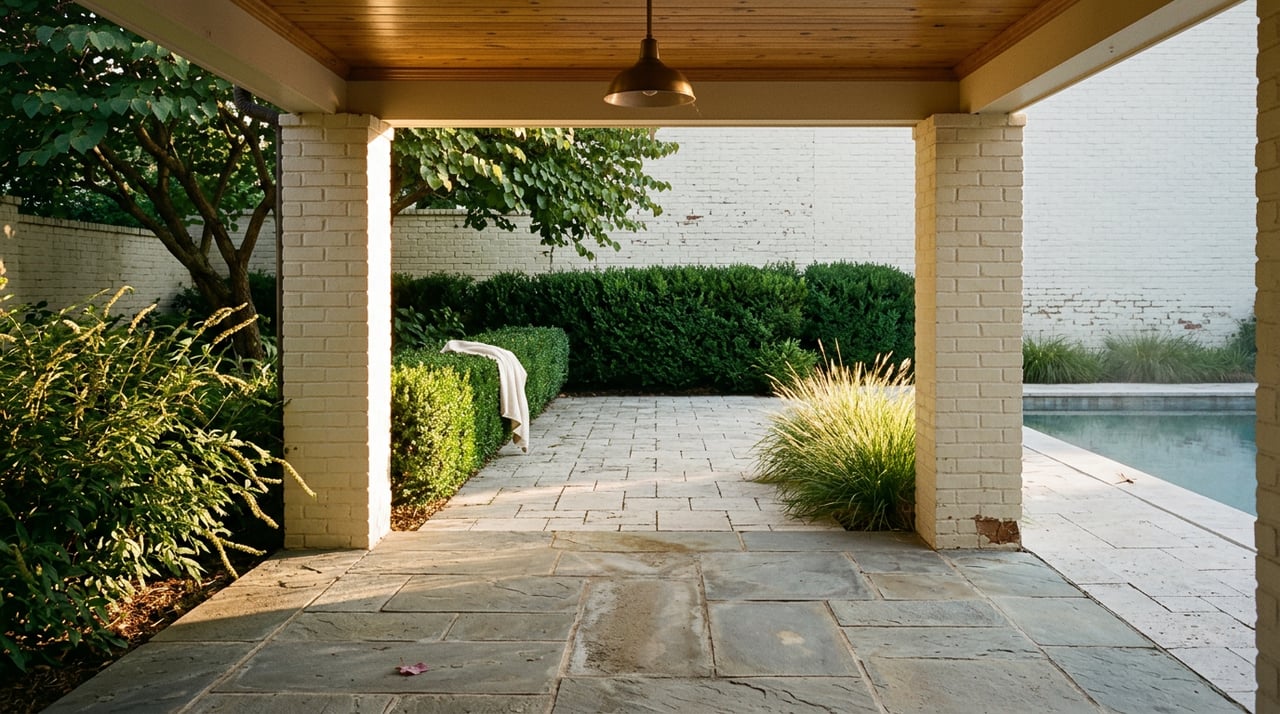
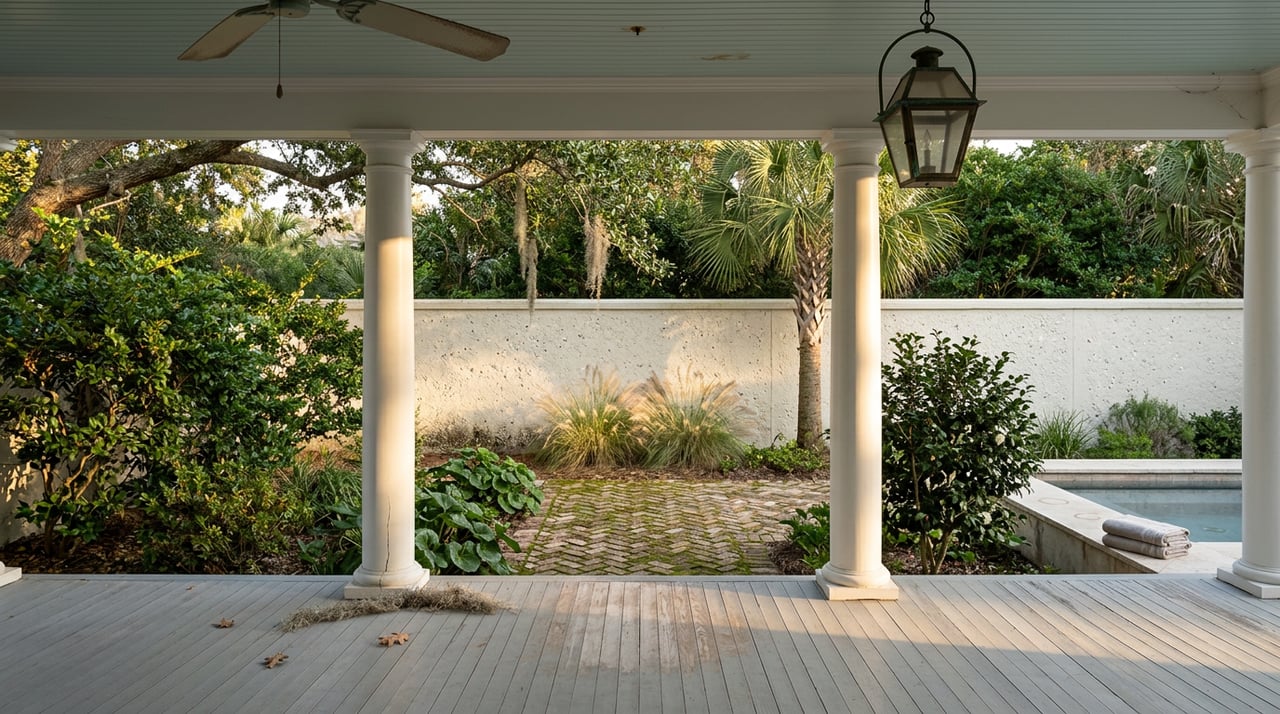
- Outdoor living: Porches, decks, patios, and usable yard space fit the island’s outdoor lifestyle.
- Access to amenities: Closeness to beaches, village areas, parks, and bike routes can make a home more appealing.
- Parking and storage: Space for bikes, beach gear, and guest parking matters on a coastal property.
This is where a design-aware eye can make a real difference. At Curated Real Estate, we often see that the homes with the most lasting appeal are not always the flashiest. They are the ones that feel simple, polished, durable, and easy to live in.
Know the short-term rental rules
If you are planning to rent the home for fewer than 30 days at a time, Glynn County requires a short-term rental certificate. The county also regulates key operating details like noise, parking, trash, local contact information, and accommodation excise taxes.
For unincorporated short-term rentals, the county states that a 7% monthly accommodation excise tax applies. Owners or managers renting six or more properties must also have an occupation tax certificate.
This is one of the biggest places where buyers can get ahead by asking the right questions early. Before you build any income expectations into your decision, confirm how the property fits current county requirements and what practical compliance will look like day to day.
Compare short-term and long-term use
Not every St. Simons home needs to be a vacation rental to make financial sense. Realtor.com’s island-level snapshot showed a median rent of $2,775 per month, which points to ongoing rental demand even outside the short-term model.
That gives you more than one lane to consider. Depending on the property, your goals, and county rules, a home may work better as a personal retreat with occasional use, a long-term rental, or a short-term rental plan that is carefully structured from the start.
The key is to match the home to the strategy. A beach-near cottage with strong walkability may support one approach, while a different layout in a less visitor-centric setting may fit another.
Plan for coastal insurance and flood risk
On St. Simons, flood diligence is not optional. Glynn County states that standard homeowner’s insurance does not cover flood losses, and flood insurance is available through the National Flood Insurance Program with a 30-day waiting period.
The county also notes that floodplain development requires permits, elevation certificates are required for permitting in the floodplain, and substantial improvements can trigger new-construction standards if costs reach 50% of market value. Those are not small details if you are thinking about updates, renovations, or long-term carrying costs.
Glynn County participates in FEMA’s Community Rating System as a Class 5 community, which the county says corresponds to a 25% flood insurance premium discount. Even so, you should review the flood map for the specific parcel and understand how flood zone status affects insurance, renovation plans, and your overall numbers.
Make smart updates, not expensive ones
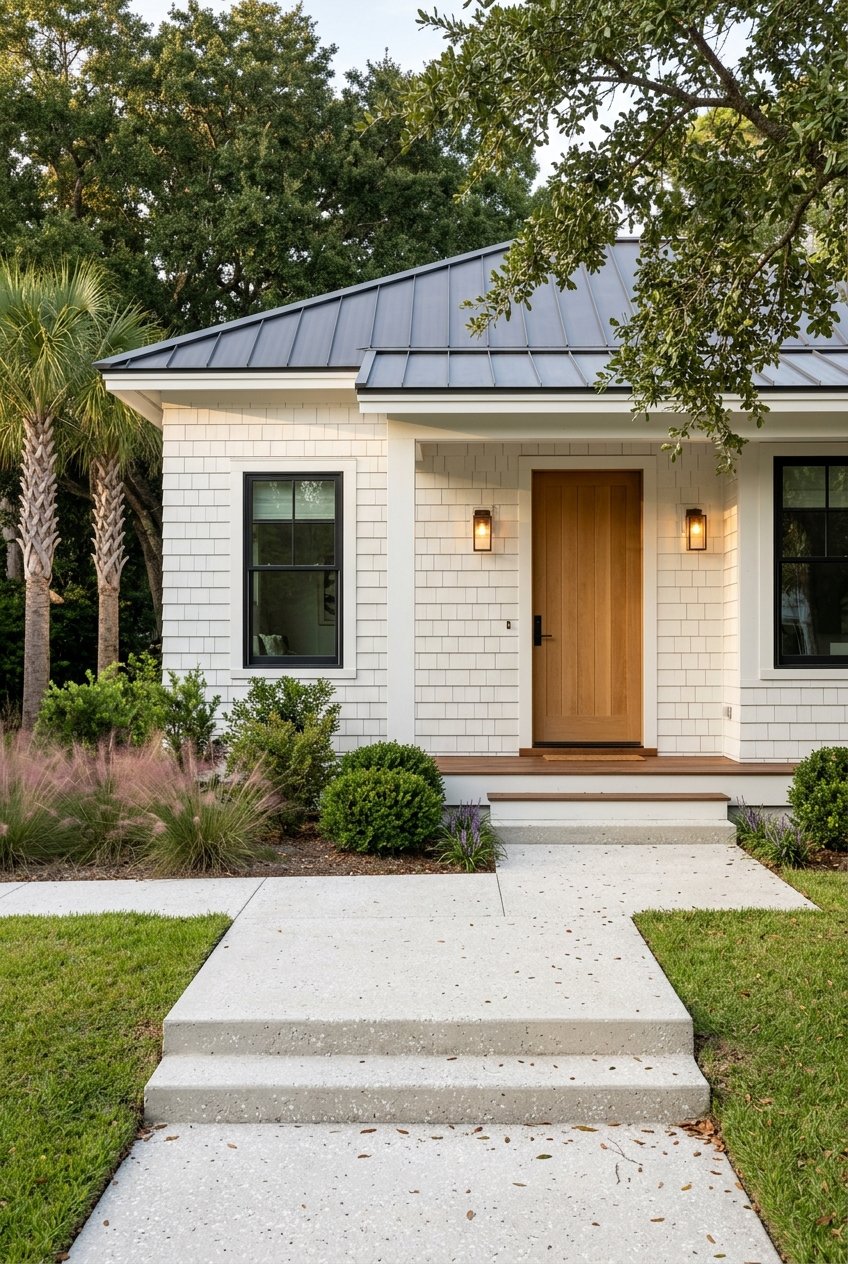
If resale matters to you, lean toward improvements that are visible, practical, and cost-conscious. Local market guidance points to fresh paint, updated fixtures, and improved landscaping as changes that can help attract buyers and potentially shorten time on market.
Major overhauls, by contrast, do not always return their full cost. On St. Simons, that often means durable finishes and an easy-to-maintain presentation may serve you better than highly customized choices.
This is especially true for a second home or investment-minded purchase. You want the property to show well, wear well, and stay broadly appealing. Clean design usually ages better than overly personal design.
Build your buying checklist
If you are comparing homes on St. Simons Island, keep your checklist grounded in both numbers and real-world use.
Ask questions like these:
- How does this home compare to others in its immediate submarket?
- Is the location convenient to beaches, village amenities, or bike routes?
- Does the layout support guests, extended family, or future renters?
- Is there enough parking and storage for beach living?
- What are the likely flood insurance and permitting considerations?
- If short-term renting is part of the plan, what county requirements apply?
- Would the home still make sense if your strategy shifts later?
The strongest purchases are usually the ones that work as a retreat first and remain credible as an income-producing asset second. That approach can help you avoid stretching for a property that looks good on paper but feels harder to own, insure, or resell.
Think long term about value
A smart St. Simons investment is rarely just about chasing peak rental income. It is about buying a home with enduring appeal in a location people consistently want to enjoy.
That usually means favoring a strong setting, a useful layout, durable materials, outdoor living, and realistic carrying costs. When those pieces line up, your home is better positioned to serve you now and hold its appeal later.
If you are exploring a second home or coastal investment on St. Simons, Curated Real Estate can help you evaluate hidden value, lifestyle fit, and resale potential with a sharper eye.
FAQs
What makes a St. Simons Island home a stronger investment?
- Homes with a strong location, functional layout, outdoor living space, practical storage, and good access to beaches or Pier Village tend to offer the best balance of lifestyle use and long-term appeal.
Do you need a permit for short-term rentals in Glynn County?
- Yes. Glynn County requires a short-term rental certificate before renting a property for fewer than 30 days.
Are beach-area homes on St. Simons priced above the island average?
- Yes. Recent market snapshots show St. Simons Beach and East Beach at significantly higher price points than island-wide median figures.
Does homeowner’s insurance cover flood damage on St. Simons Island?
- No. Glynn County states that homeowner’s insurance does not cover flood losses, so buyers should review flood insurance needs separately.
What home updates help resale on St. Simons Island?
- Local market guidance points to modest improvements like fresh paint, updated fixtures, and improved landscaping rather than major renovations.
Should you use island-wide data when pricing a St. Simons Beach home?
- No. Beach-core submarkets can behave very differently from the broader island market, so each home should be compared to its immediate area whenever possible.